When engineers design energy storage systems, one of the most common questions is: should I use an EDLC supercapacitor or a lithium-ion battery? Both store electrical energy, but they operate on fundamentally different principles and serve very different roles. In this guide, we break down the key differences and help you choose the right technology for your application.
What is an EDLC?
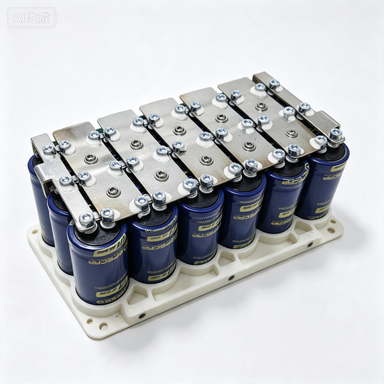
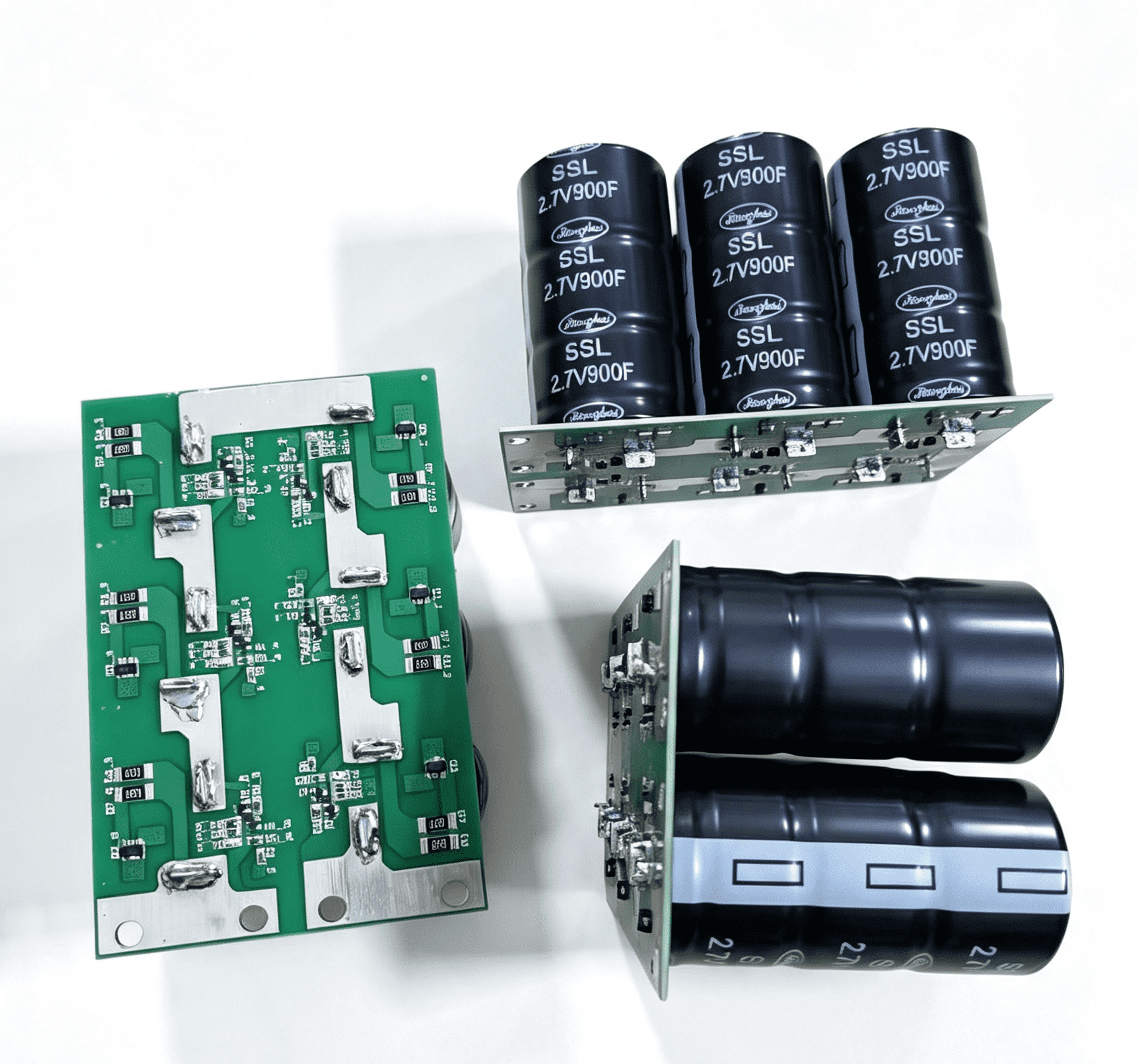
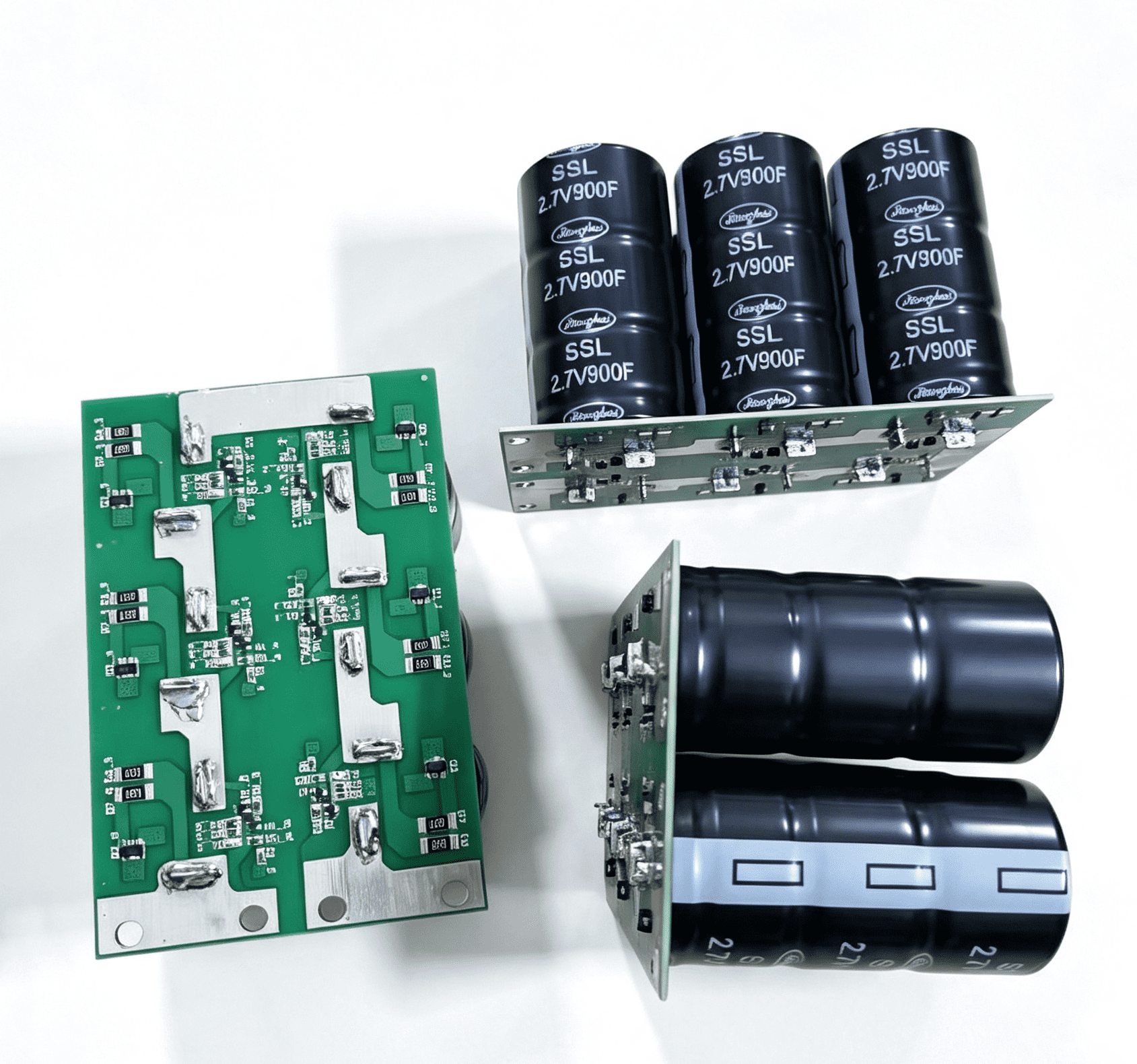
EDLC stands for Electric Double-Layer Capacitor, more commonly known as a supercapacitor or ultracapacitor. Unlike batteries that store energy through chemical reactions, EDLCs store energy electrostatically by separating charges at the interface between an electrode and an electrolyte. This physical charging mechanism gives supercapacitors their signature advantages: ultra-fast charging, extremely long cycle life, and high power density.
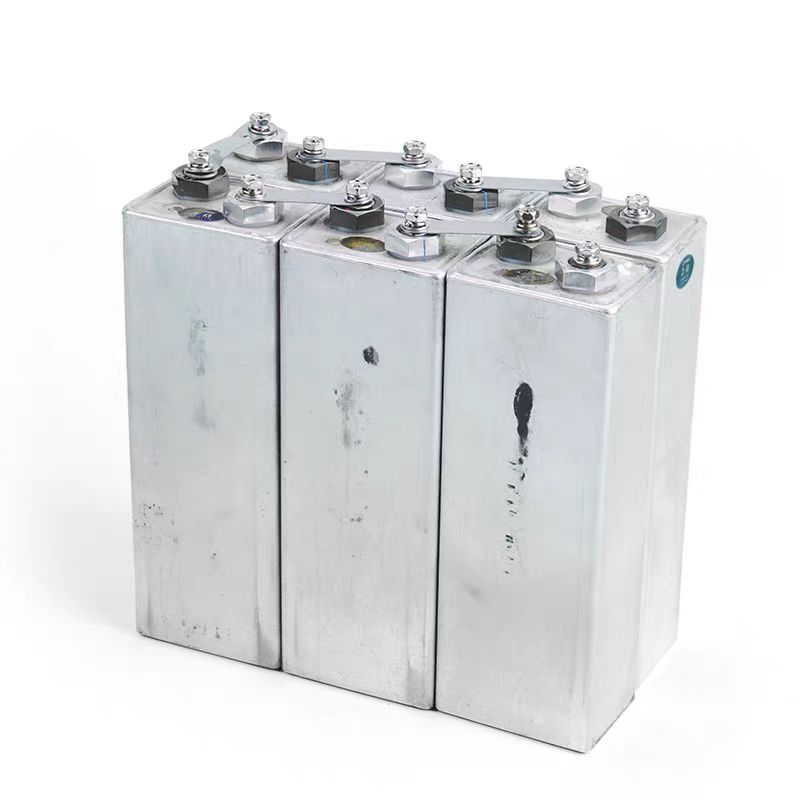
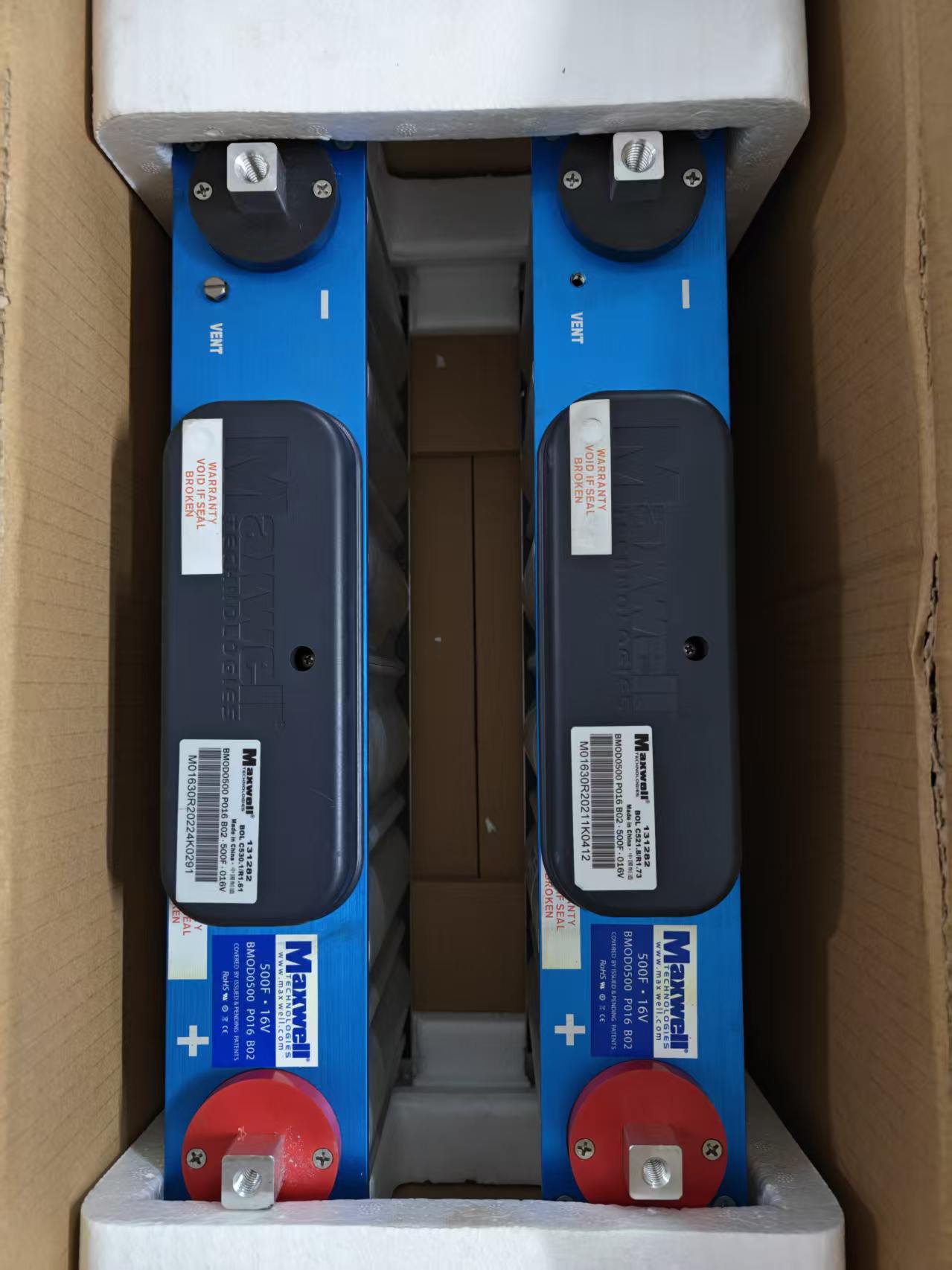
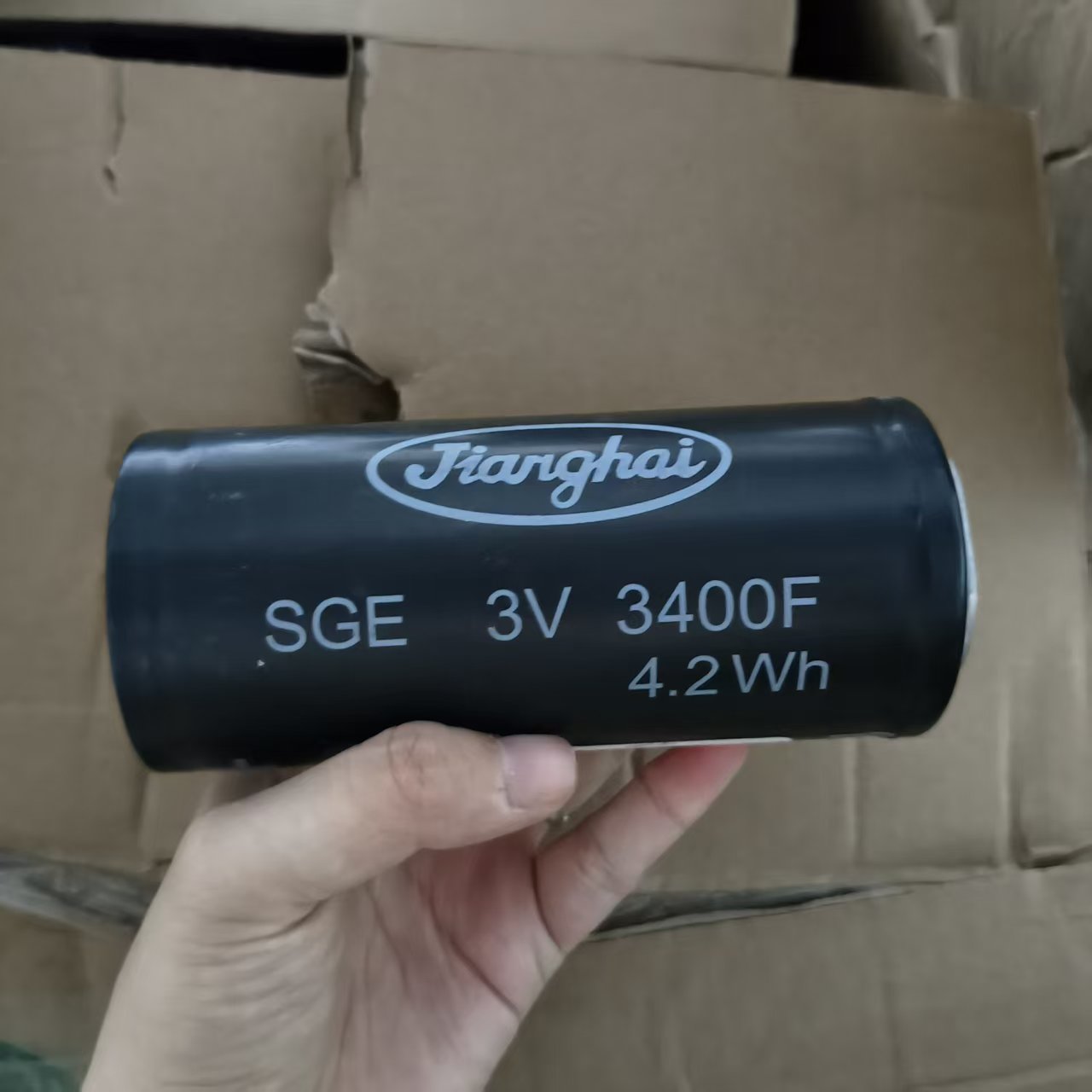
At XDXT Electronics, we supply a full range of EDLC supercapacitors including 2.7V 3000F cells, 16V 500F modules, and 3V 3400F high-capacity cells for industrial energy storage projects.
Key Comparison: EDLC Supercapacitor vs Lithium-Ion Battery
| Parameter | EDLC Supercapacitor | Lithium-Ion Battery |
|---|---|---|
| Energy Storage Mechanism | Electrostatic (physical) | Electrochemical (chemical) |
| Charge Time | 1–30 seconds | 1–8 hours |
| Cycle Life | 500,000 – 1,000,000 cycles | 500 – 3,000 cycles |
| Power Density | Very high (up to 15,000 W/kg) | Moderate (250–350 W/kg) |
| Energy Density | Low (5–10 Wh/kg) | High (150–250 Wh/kg) |
| Operating Temperature | -40°C to +65°C | -20°C to +60°C |
| Self-Discharge | Higher (10–40% per day) | Lower (2–5% per month) |
| Maintenance | Minimal, no BMS required for cells | BMS required, thermal management needed |
| Cost per Cycle | Very low | Higher |
When to Choose an EDLC Supercapacitor
EDLC supercapacitors excel in applications that require frequent charge-discharge cycles, high burst power, and reliable operation over many years. Typical use cases include:
- UPS backup power — Instant power delivery during grid failures, bridging the gap until generators start
- Solar energy storage — Smoothing power fluctuations from solar panels, especially in hybrid systems with batteries
- Automotive start-stop systems — Cranking power for engine start-stop, recovering braking energy
- Industrial power modules — Peak power shaving for motors, actuators, and pulsed loads
- Energy harvesting — Capturing and storing small amounts of energy from vibration, heat, or light
When to Choose a Lithium-Ion Battery
Lithium-ion batteries are the better choice when you need high energy density for long-duration discharge and can tolerate slower charging and limited cycle life. Typical use cases include:
- Electric vehicles — Long driving range requires high energy density
- Portable electronics — Smartphones, laptops, power banks
- Long-duration solar storage — Off-grid systems needing 4+ hours of backup
- Consumer electronics — Where compact size and long runtime matter most
Hybrid Systems: The Best of Both Worlds
In many industrial applications, the optimal solution is a hybrid system combining EDLC supercapacitors and lithium-ion batteries. The supercapacitor handles high-power, short-duration bursts (peak shaving, regenerative braking, UPS bridging), while the battery provides long-duration energy storage. This combination extends battery life by 2–3x and reduces overall system cost.
For example, in a solar-plus-storage system, the EDLC module absorbs the rapid power fluctuations from passing clouds, while the lithium battery handles the bulk energy storage. This reduces battery cycling stress and significantly extends system lifespan.
Used & Tested EDLC Supercapacitors: A Cost-Effective Option
For budget-conscious buyers, tested second-hand EDLC supercapacitors offer excellent value. Because supercapacitors have such long cycle lives (500,000+ cycles), used units that have been properly tested can perform nearly as well as new ones at a fraction of the cost.
At XDXT Electronics, every used supercapacitor undergoes rigorous testing for capacitance, internal resistance (ESR), and appearance before shipment. We only ship qualified units. Contact us via WhatsApp for current used stock availability and pricing.
Conclusion
There is no universal "better" choice between EDLC supercapacitors and lithium-ion batteries — it depends entirely on your application requirements. If you need fast charging, long cycle life, and high power density, an EDLC supercapacitor is the clear winner. If you need high energy density for long runtime, lithium-ion is the way to go. For many industrial systems, a hybrid approach delivers the best performance and total cost of ownership.
Not sure which technology fits your project? Send us your specifications via WhatsApp and our engineering team will recommend the optimal supercapacitor cell or module for your application.