Engineers often ask: when should I use an aluminum electrolytic capacitor versus a supercapacitor? Both are electrostatic/electrochemical energy storage devices, but they operate on different principles and serve very different roles in electronic systems. In this guide, we compare the two technologies across key parameters and help you choose the right capacitor for your application.
Fundamental Differences in Construction
Aluminum Electrolytic Capacitor
An aluminum electrolytic capacitor consists of two aluminum foil electrodes separated by a paper spacer soaked in liquid electrolyte. The anode foil is etched to create a porous surface (increasing surface area by 100x+) and anodized to form a thin aluminum oxide (Al₂O₃) dielectric layer. The electrolyte acts as the cathode connection to the oxide dielectric. This construction yields high capacitance in a small package but with limitations in voltage, ESR, and lifetime.
EDLC Supercapacitor (Ultracapacitor)
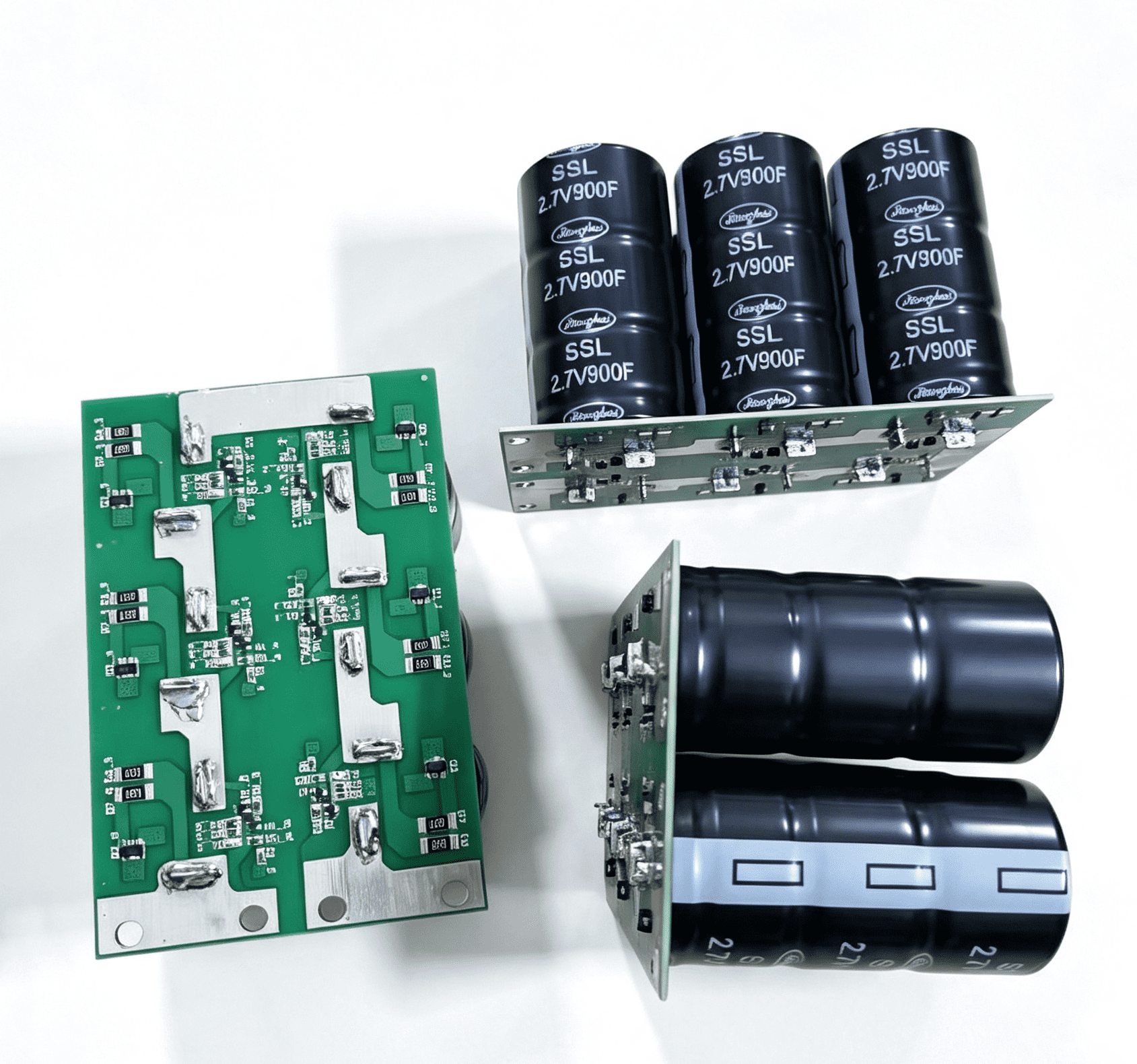
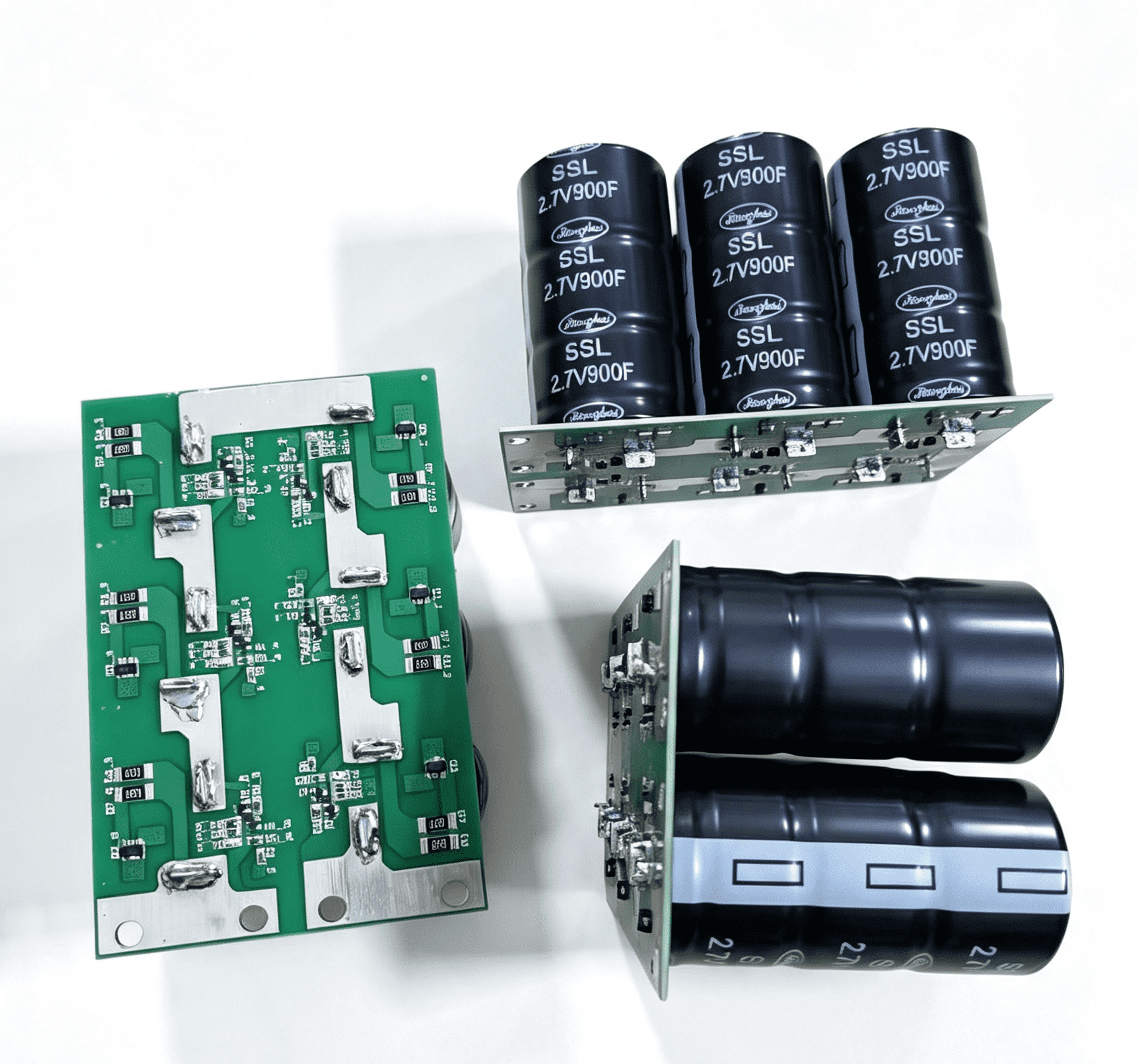
An Electric Double-Layer Capacitor (EDLC) uses high-surface-area activated carbon electrodes (surface area ~1500–2000 m²/g) separated by an ion-permeable separator, immersed in organic or aqueous electrolyte. Energy is stored electrostatically by separating ions at the electrode-electrolyte interface — no chemical reactions involved. The enormous surface area and nanoscale charge separation yield capacitances 10,000x higher than electrolytic capacitors, but with lower voltage ratings and higher ESR at high frequencies.
Side-by-Side Comparison
| Parameter | Aluminum Electrolytic | EDLC Supercapacitor |
|---|---|---|
| Typical Capacitance | 0.1µF – 2.2F | 0.1F – 5000F (per cell) |
| Typical Voltage | 6.3V – 500V+ | 2.7V – 3.0V (per cell) |
| Energy Density | 0.01–0.1 Wh/kg | 5–10 Wh/kg |
| Power Density | High (up to 10,000 W/kg for low-ESR types) | Very high (up to 15,000 W/kg) |
| ESR (1kHz) | Very low (mΩ range for large can types) | Higher (0.1–1 mΩ for large cells, rises with frequency) |
| ESR (DC/low freq) | Higher than at 1kHz | Lower than at high frequency |
| Operating Temperature | -40°C to +105°C (standard), +125°C (high-temp) | -40°C to +65°C (standard), +70°C (high-temp) |
| Ripple Current Rating | High (designed for ripple filtering) | Lower (not designed for high-frequency ripple) |
| Self-Discharge | Low (µA leakage) | Higher (mA range, 10–40% per day) |
| Cycle Life | Limited by electrolyte dry-out (not cycle-dependent) | 500,000–1,000,000 cycles |
| Service Life | 2,000–10,000 hours at rated temp (exponential with temperature) | 10–20 years (cycle-dependent, not time-dependent) |
| Charge/Discharge Rate | Fast (seconds), but limited by ESR heating | Ultra-fast (milliseconds to seconds) |
| Cost (per Farad) | Very low | Higher (but decreasing) |
| Polarity | Polarized (most types) | Polarized |
When to Use Aluminum Electrolytic Capacitors
Aluminum electrolytic capacitors are the workhorse of power electronics. Choose them when you need:
1. Power Supply Input/Output Filtering
Electrolytic capacitors are ideal for smoothing rectified AC and filtering DC output in power supplies. Their low ESR at 50/60Hz and 100/120Hz ripple frequencies, high ripple current ratings, and high voltage availability make them the standard choice for bulk capacitance in SMPS, linear regulators, and motor drives.
2. High-Voltage Applications
When your system operates above 3V per cell, electrolytic capacitors are often the only practical choice. They are available from 6.3V up to 500V+ in a single device, whereas supercapacitors require 6+ cells in series to reach 16V, adding complexity and balancing requirements.
3. High-Frequency Ripple Filtering
Electrolytic capacitors maintain low ESR up to 100kHz+, making them effective for switching power supply output filtering. Supercapacitor ESR rises significantly above 1kHz, making them ineffective for high-frequency ripple filtering.
4. Cost-Sensitive Bulk Capacitance
For applications requiring hundreds or thousands of microfarads at moderate voltage, electrolytic capacitors offer the lowest cost per farad. A 1000µF 25V electrolytic capacitor costs a few cents, while a 1F supercapacitor costs several dollars.
5. Peak Current Delivery in Motor Drives
In motor drives, inverters, and welding equipment, electrolytic capacitors provide the bulk DC link capacitance needed to handle high ripple currents and deliver peak current to the load. Their high ripple current ratings and robust construction make them suitable for these demanding applications.
When to Use EDLC Supercapacitors
Supercapacitors excel where high energy storage, ultra-fast charge/discharge, and long cycle life are required. Choose them when you need:
1. Energy Storage (Seconds to Minutes)
When you need to store enough energy to power a load for seconds to minutes (not microseconds), supercapacitors are the clear choice. A 3000F 2.7V cell stores 3.04 Wh — enough to power a 10W load for 18 minutes. An electrolytic capacitor would need to be impractically large to store the same energy.
2. Ultra-Fast Charging
Supercapacitors can charge in seconds to minutes, limited only by the power supply's current capability and the cell's ESR. This makes them ideal for energy harvesting, regenerative braking, and applications where rapid recharge is essential.
3. Long Cycle Life Applications
If your application requires hundreds of thousands of charge-discharge cycles, supercapacitors are the only viable option. Typical applications include regenerative braking in vehicles, elevator energy recovery, crane hoist energy recovery, and peak shaving in power systems.
4. UPS and Ride-Through Power
For short-duration backup power (1–60 seconds), supercapacitors provide instant, reliable power with zero maintenance and 10+ year service life. They are increasingly replacing batteries in UPS systems for generator start bridging and industrial process control backup.
5. Low-Temperature Operation
Supercapacitors maintain performance down to -40°C, whereas electrolytic capacitor ESR rises sharply below -20°C and capacitance drops significantly. For outdoor, automotive, and industrial applications in cold climates, supercapacitors offer superior low-temperature performance.
6. Peak Power Shaving
In systems with pulsed loads (motor starting, actuator firing, RF transmission), supercapacitors can provide the peak power burst, reducing the power supply size and improving system efficiency. Their high power density and ability to deliver large currents instantly make them ideal for this application.
Hybrid Solutions: Using Both Technologies
In many advanced power systems, the optimal solution uses both electrolytic capacitors and supercapacitors, each handling what it does best:
- Electrolytic capacitor handles high-frequency ripple filtering and bulk DC link capacitance
- Supercapacitor handles low-frequency energy storage, peak power delivery, and ride-through backup
This hybrid approach is common in renewable energy systems, electric vehicles, and industrial power supplies where both ripple filtering and energy storage are required.
Our Product Range
At XDXT Electronics, we supply both technologies to meet your complete capacitor needs:
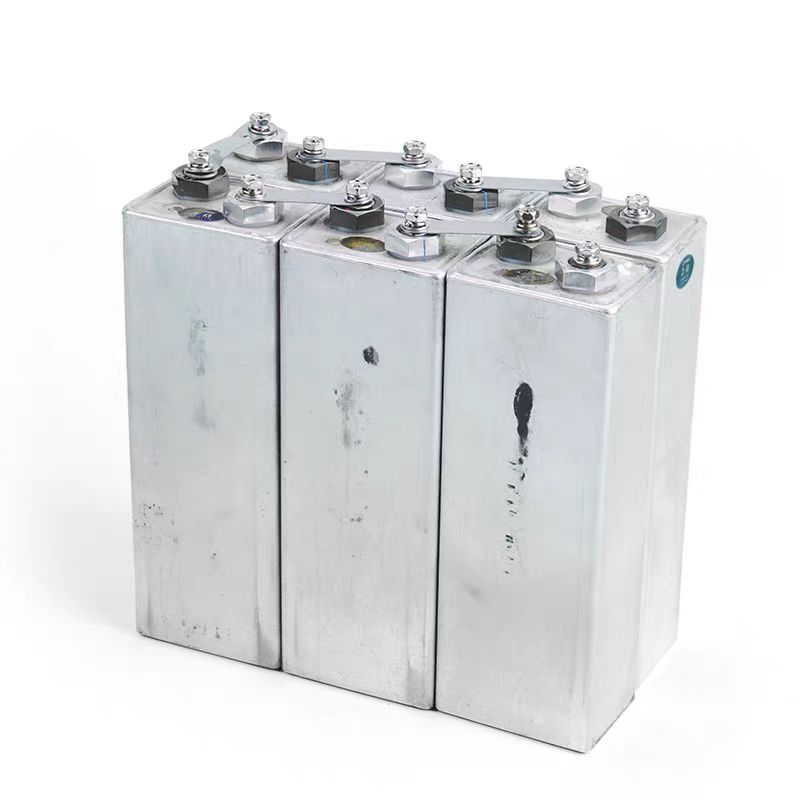
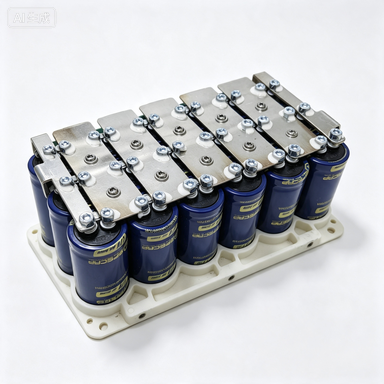
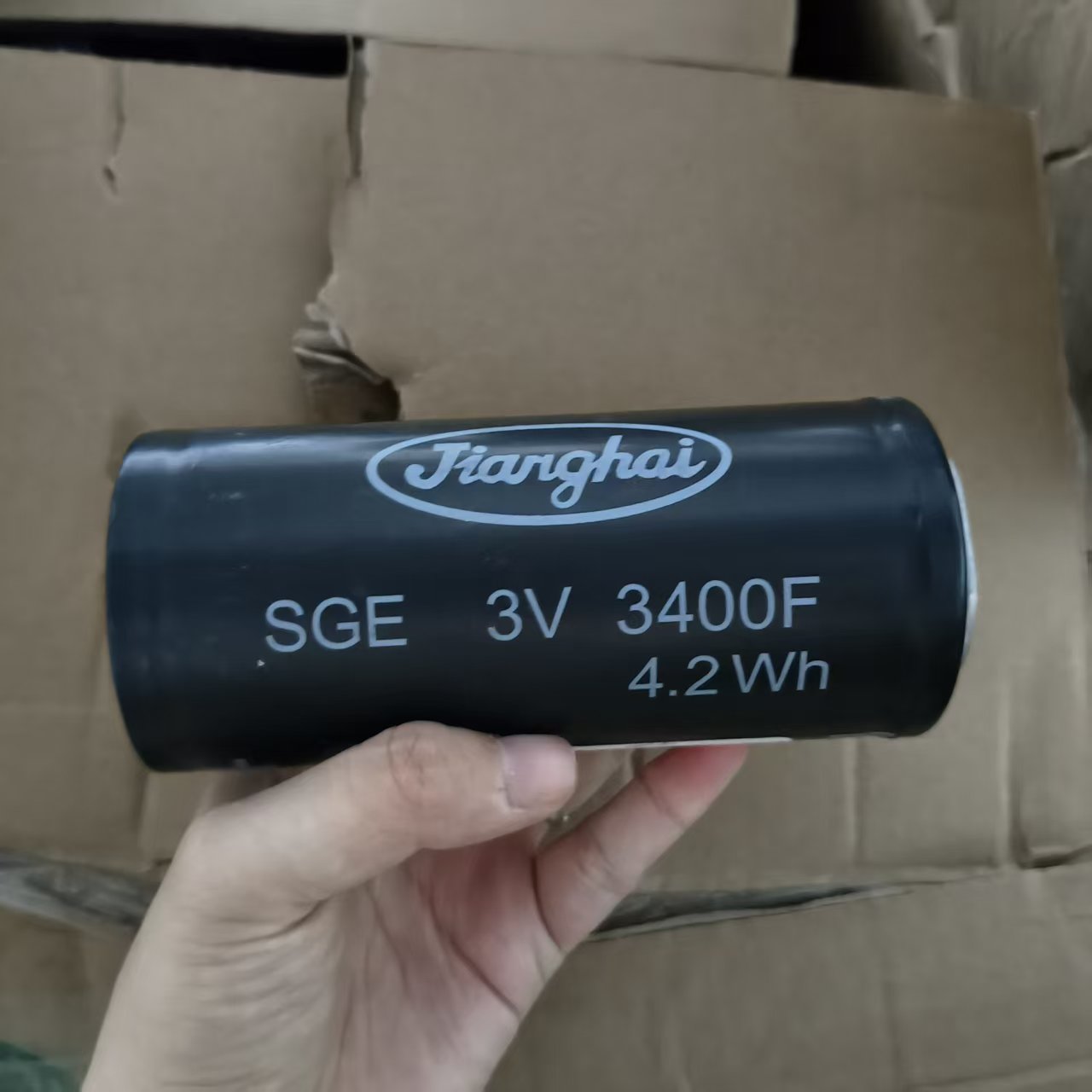
- EDLC Supercapacitors: 2.7V 3000F cells, 3V 3400F high-capacity cells, 16V modules (100F–500F), and custom high-voltage banks
- Aluminum Electrolytic Capacitors: Snap-in and screw-terminal types for industrial power supplies, motor drives, and inverters — radial lead types and high-voltage types
- Used & Tested Stock: Both new and carefully tested second-hand capacitors at competitive prices
Conclusion
Aluminum electrolytic capacitors and EDLC supercapacitors are complementary technologies, not competitors. Electrolytic capacitors excel at high-voltage, high-frequency ripple filtering and cost-sensitive bulk capacitance, while supercapacitors excel at high-energy storage, ultra-fast charge/discharge, long cycle life, and low-temperature operation. Understanding these differences helps you select the right capacitor technology for your application, optimizing performance, reliability, and total cost.
Not sure which capacitor technology fits your project? Contact our engineering team via WhatsApp with your specifications, and we'll recommend the optimal capacitor solution with wholesale pricing and worldwide shipping.